Table of Contents
What Is Life Balance?
Introduction
Modern life often feels like a constant juggling act.
Between work, family, health, responsibilities, and personal goals, it can feel like there is never enough time or energy for everything.
This is where the idea of life balance becomes important.
Life balance is not about doing everything perfectly. It is about learning how to manage different areas of life in a way that supports your overall wellbeing.
Life balance is the ability to distribute your time, energy, and attention across different life domains in a way that supports long-term wellbeing.
Importantly, it does not mean:
- Giving equal time to everything
- Always being perfectly organised
- Never feeling stressed or busy
Instead, it means:
- Making intentional choices about priorities
- Adjusting your focus based on life stages and needs
- Ensuring no important area is consistently neglected
Balance is flexible, not fixed.
Why Life Balance Matters
Research in positive psychology shows that when life becomes heavily focused on one area—especially work or productivity—it can lead to long-term strain.
Imbalance may contribute to:
- Chronic stress and burnout
- Emotional exhaustion
- Relationship difficulties
- Declining physical health
- Reduced overall life satisfaction
On the other hand, balanced engagement across life domains is linked to:
- Greater emotional stability
- Higher resilience during stress
- Improved wellbeing and satisfaction
- A stronger sense of meaning and fulfilment
Why One Area of Life Is Not Enough
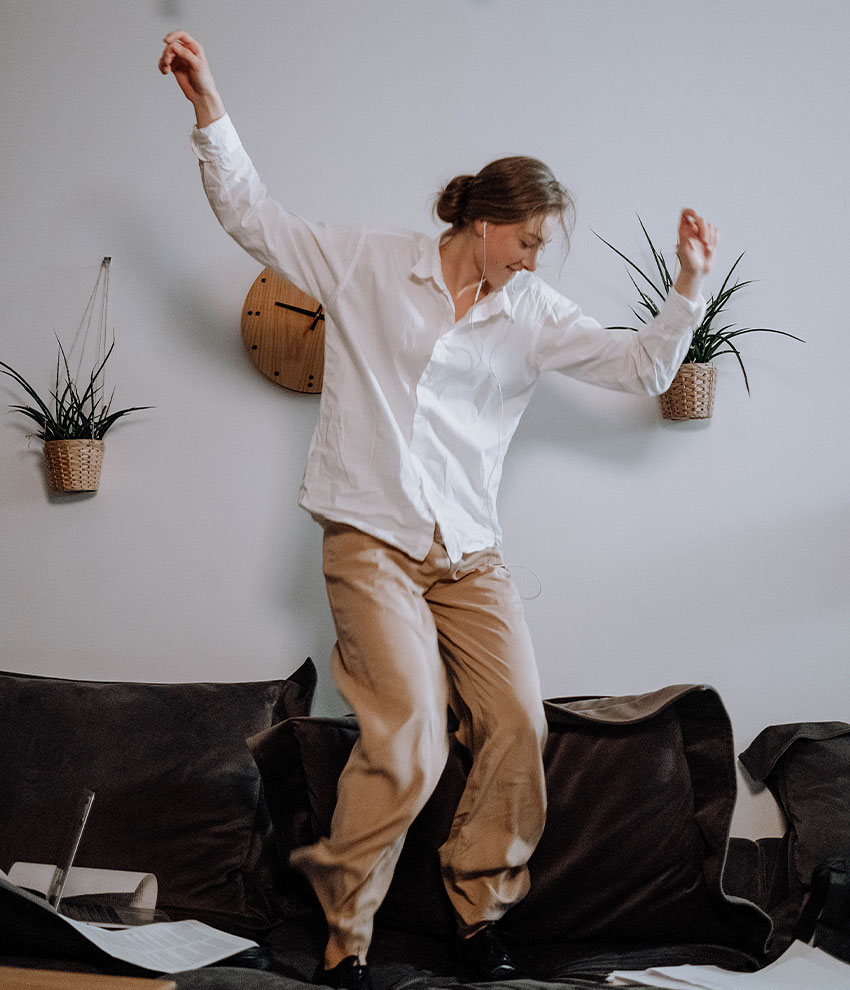
No single life domain can meet all human needs.
Each area contributes something different:
- Work and career → competence, achievement, financial security
- Family and relationships → love, belonging, emotional support
- Health → energy, vitality, physical stability
- Leisure and recreation → rest, joy, recovery
When one area dominates while others are neglected, overall wellbeing often feels incomplete—even when life looks successful on the outside.
Wellbeing depends on the combined support of multiple life areas working together.
Final Thought: Balance Is Awareness, Not Perfection

Life balance is not about getting everything right all the time.
It is about awareness.
When you begin to notice:
- Where your energy is going
- Which areas feel neglected
- How imbalance is affecting your mood and health
You gain the ability to make small adjustments before stress builds up.
Even small changes across life domains can create meaningful improvements in wellbeing over time.
Key Ideas Summary
- Life balance is about intentional energy allocation, not equal time distribution
- Over-investing in one area of life can lead to burnout and stress
- Different life domains meet different psychological needs
- Wellbeing depends on multiple areas working together
- Awareness of imbalance allows early adjustment and prevention
Practical Application Tips
- Reflect on how you currently spend your time each week
- Identify which life areas are being neglected
- Make one small adjustment to support balance
- Schedule time for rest, relationships, and recovery
- Check in weekly to notice patterns of imbalance
Course Connection
Want to dive deeper into this topic? Enrol in our Positive Psychology online self-paced course!
Use promo code positive50 for 50% off as a gift for reading this blog.
Course benefits include:
- Learn practical wellbeing tools you can apply immediately
- Build emotional resilience and prevent burnout
- Understand how to manage multiple life domains effectively
- Strengthen self-awareness and decision-making
- Access evidence-based positive psychology strategies
Spiritual Reflection
Across Islamic, Christian, and Jewish traditions, there is a shared understanding that life is meant to be lived with balance, moderation, and intention. Work, family, health, and personal reflection are seen as interconnected responsibilities rather than competing priorities.
These traditions encourage individuals to avoid extremes and to care for all aspects of life with awareness and gratitude. When life becomes overly focused in one direction, imbalance can affect wellbeing. Through reflection, discipline, and mindful living, individuals are encouraged to create harmony between responsibilities, relationships, and inner wellbeing.