Table of Contents
Implicit Theories About Strengths: Can Strengths Change?
Research in positive psychology suggests that strengths are not fixed traits.
Instead, they can develop and shift over time through experience, environment, and intentional practice.
Examples from research include:
- Major life events can reshape strengths
- After large-scale collective trauma, increases have been observed in strengths such as gratitude, hope, kindness, and teamwork
- Targeted interventions can build strengths
- Strengths like optimism, self-control, and altruism can be intentionally developed
- Strength-based parenting supports development
- Children raised with strengths-focused feedback often show better coping and emotional development
Key insight:
Strengths are malleable, meaning they can grow and change across the lifespan.
Introduction
People differ not only in their strengths—but also in how they believe their strengths work.
Some people believe strengths can grow and develop.
Others believe strengths are fixed and unchangeable.
These underlying beliefs are called implicit theories, and they play a powerful role in shaping how people use, develop, or limit their strengths.
At the centre of this idea is a simple question:
Do you believe your strengths can grow, or are they fixed?
What Are Implicit Theories?
Implicit theories are beliefs about whether personal qualities can change.
There are two main types:
1. Incremental Theory (Growth Mindset)
People with a growth mindset believe:
- Strengths can be developed
- Effort leads to improvement
- Challenges are opportunities to grow
In this view:
“I can develop my strengths over time.”
2. Entity Theory (Fixed Mindset)
People with a fixed mindset tend to believe:
- Strengths are innate and unchangeable
- Effort has limited impact
- Success depends mainly on natural talent
In this view:
“My strengths are fixed—I either have them or I don’t.”
Why Mindset Matters

1. Effort and development
A growth mindset encourages:
- Practice
- Persistence
- Skill development over time
Without repeated use and practice, strengths may remain underdeveloped or “dormant.”
2. The role of praise
Research shows that the type of praise people receive shapes mindset:
- Praise for intelligence (“You are so smart”) can reinforce a fixed mindset
- Praise for effort (“You worked really hard”) encourages a growth orientation
In practice:
- Effort-based feedback supports learning and resilience
- Talent-based labels can reduce persistence after setbacks
3. Goal orientation
Mindset also shapes the types of goals people pursue:
- Growth mindset → learning and mastery goals
- Fixed mindset → performance and proving ability
This influences how people respond to challenges and opportunities for development.
4. Response to failure
Mindset strongly affects emotional resilience:
- Growth mindset → failure is feedback and learning
- Fixed mindset → failure feels like a limitation or identity threat
This difference impacts motivation, persistence, and wellbeing over time.
The Pitfall: Overgeneralising Growth Mindset
While growth mindset is powerful, it is important to stay realistic.
It is not accurate to believe:
“I can do anything if I just try hard enough.”
Strengths are:
- Individual
- Context-dependent
- Influenced by biology, environment, and opportunity
This means effort matters—but it is not the only factor.
A balanced perspective is essential for wellbeing.
Key Insight
Your beliefs about your strengths can influence your development just as much as the strengths themselves.
A helpful mindset is one that:
- Encourages growth
- Values effort
- Recognises realistic limits
- Supports learning without self-judgment
Final Thoughts
Strength development is not only about what you have—it is also about what you believe is possible.
When people shift from fixed thinking to more flexible, growth-oriented beliefs, they often:
- Engage more fully in learning
- Persist longer through challenges
- Develop strengths more intentionally
Positive psychology reminds us that potential is not only something we are born with—it is something we shape through belief, experience, and action over time.
Key Ideas Summary
- Implicit theories are beliefs about whether strengths can change
- Growth mindset supports development and resilience
- Fixed mindset limits effort and persistence
- Praise and feedback shape mindset over time
- A balanced view of growth is both optimistic and realistic
Practical Application Tips
- Notice your beliefs when facing challenges
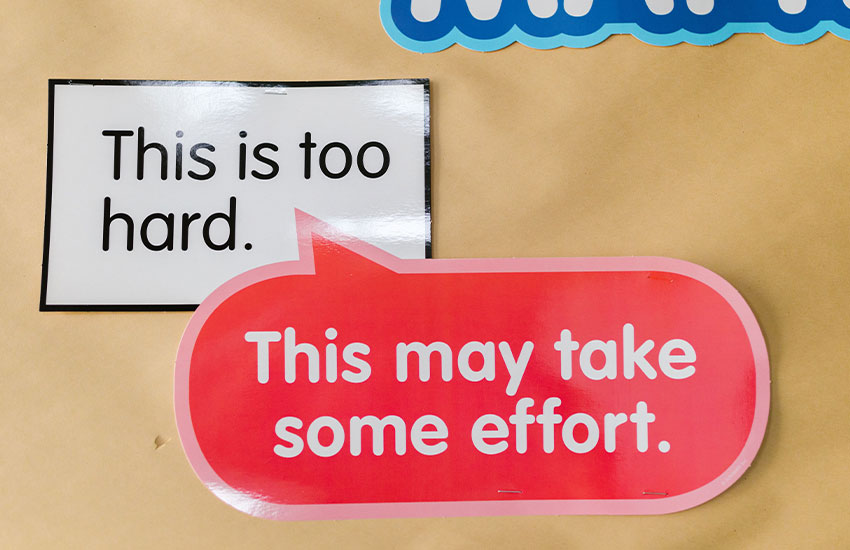
- Reframe “I can’t do this” into “I can learn this over time”
- Focus on effort and process rather than outcomes alone
- Reflect on past situations where you improved through practice
- Be mindful of how you praise others (effort vs talent)
Course Connection
Want to dive deeper into this topic? Enrol in our Positive Psychology online self-paced course!
Use promo code positive50 for 50% off as a gift for reading this blog.
Course benefits include:
- Develop a growth-oriented mindset
- Strengthen resilience and persistence
- Learn how beliefs shape behaviour and wellbeing
- Build confidence in personal development
- Access evidence-based positive psychology tools
Spiritual Reflection
Across Islamic, Christian, and Jewish traditions, there is a shared belief in human growth, learning, and development throughout life. Individuals are often encouraged to reflect on their abilities, take responsibility for personal growth, and continue striving for improvement with humility and intention.
At the same time, these traditions recognise human limits and the importance of balance—encouraging effort while also accepting what is beyond personal control. This balance between striving and acceptance supports both personal development and inner peace.